Late-night screen use, made easier on your eyes
We'd love to tell you to put the phone down at nine. Realistically you won't - so here's how to make the scroll kinder on tired eyes.
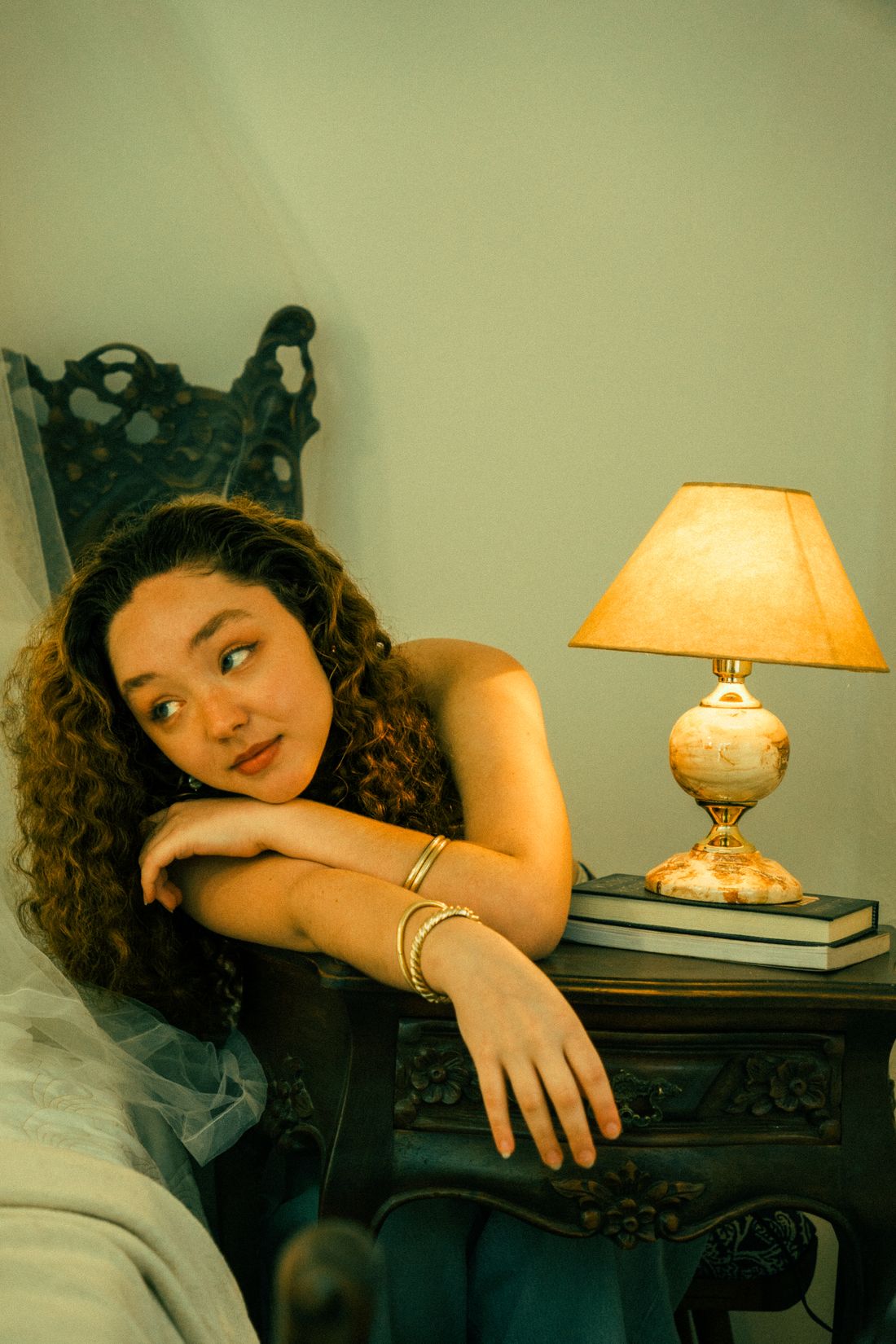
The evening screen is a fact of modern life. A film in bed, a last check of messages, one more episode. The problem isn't that you do it - it's that bright, blue-rich light late at night works against the very thing you're trying to reach: rest.
In the last hours of the day, your body starts making melatonin, the signal that it's time to wind down. Bright blue light - the kind screens are full of - is read by your brain as daytime, and daytime is not when you're supposed to be sleepy. You don't need to fear it. You just want less of it reaching your eyes as the night goes on.
It's not only about falling asleep, either. Getting the light right in the evening tends to improve how the next morning feels - steadier energy, an easier wake-up - because your body clock stays where it's meant to be instead of drifting later night after night. Those small nightly wins compound over weeks, and that's really the whole point: not one perfect night, but a rhythm that isn't constantly being nudged off course by light at the wrong hour.
Five easy wins
- Dim everything. Drop screen brightness and switch on your device's night or warm mode.
- Wear the Blood Orange lens. A deep, warm tint holds back the blue your eyes don't need after dark.
- Soften the room. A small lamp beside you beats a bright screen in a black room.
- Blink and rest. Screens make us blink less; a few slow blinks keep eyes from drying out.
- Give yourself a soft landing. Try the last ten minutes screen-free, even if the hour before wasn't.
Switching off early is still the best move. For the screens you keep, change the light they send your eyes.
Where the Blood Orange lens comes in
This is exactly what our Blood Orange lens is built for. It lets through no blue light at all - right up through green - so nothing in the view signals daytime to your brain. Only warm red light comes through, which means the melatonin your body is making is left undisturbed. You get your film; your eyes get the calm.
And because the lens quietly handles the light, you don't have to keep negotiating with yourself about whether to watch one more episode. The bit that was working against your sleep is already taken care of - you're free to just enjoy the evening.
None of this asks you to be a different person at night. Dim the screen, warm the light, wear the right lens, and the late-night hour stops fighting your eyes - starting tonight.
Build a wind-down the light supports
A lens does the light; the rest is a routine that meets it halfway. The strongest habit is consistency - going to bed and waking at roughly the same time trains your body clock more than any gadget. Around that, small moves help: switch devices to warm mode after sunset, keep the bedroom cool and dim, and try to make the last few minutes screen-free.
If mouth tape and nasal breathing are part of your night, even better - but start with the light, because it's the lever you can pull tonight. The point isn't a perfect, monk-like evening. It's removing the one thing quietly working against your sleep: bright, blue-rich light at the exact hour your body is trying to power down.
Common questions
Does night mode on my phone do the same thing? It helps - warm-mode settings shift the screen away from blue. The dedicated Blood Orange lens goes further, because it also filters the blue from lamps, the TV and everything else in the room, not just your phone.
How long before bed should I switch to the Blood Orange lens? A good rule is the last hour or two before sleep - the window when your body is starting to make melatonin. Earlier isn't harmful, but that final stretch is where it matters most.
Will blue light glasses fix my insomnia? No. They remove one common obstacle - late blue light - but insomnia has many causes. Think of the lens as one supportive habit alongside a steady routine, not a cure.
Can I watch TV in the Blood Orange lens? Yes, that's exactly the use case. It keeps the blue from the screen and the room out of your eyes while you unwind, so your wind-down isn't undone by one more episode.
Is it bad to look at screens at night at all? Not inherently - it's the brightness and blue at the wrong hour that matter. Dim it, warm it, and wear the right lens, and late screens become far kinder on both your eyes and your body clock.
Meet the Blood Orange lens.
Find your pair →Still not sure?Ask us anything about lenses, fit or timing. Use our contact form or email hello@heliocult.com. A real person from the family answers.